HOMMOW Hardtop Gazebo & Family Backyard Products

HOMMOW makes practical, multi-functional products for every stage of family life — from a newborn's first sleep surface to a backyard gazebo (available in 12 ft x 16 and 20 ft sizes) built to handle real weather. The catalog spans 17 products across 7 categories, with materials specified by actual use: 840D PVC where kids will bounce and slide, galvanized steel where roofs face wind and snow, and 150D cationic fabric where a newborn's skin makes contact. Every product ships with the accessories you'd otherwise track down separately — the blower, the mattress, the storage bag, the mosquito net — because a missing piece at the wrong moment is its own kind of frustration.
✓ Complete out of the box✓ Built for real families✓ Nursery to backyard
Shop All HOMMOW Products on Amazon
HOMMOW Inflatable Water Slide HOMMOW Gazebo 12x16 with Adjustable Polycarbonate Roofs HOMMOW 5-in-1 Baby Bassinet Bedside Sleeper with Swing Tube Converts to Cradle
Materials Matched to How Each Product Gets Used Materials Matched to How Each Product Gets Used

Every HOMMOW product specifies materials by actual job — 840D PVC on inflatable surfaces that kids will land on repeatedly, galvanized steel on gazebo roofs that stay up through winter, 150D cationic fabric wherever a newborn's skin makes contact.

Every Product Ships Complete Every Product Ships Complete

HOMMOW products include the accessories competitors sell separately — the 550W blower for the water slide, the firm mattress for the bassinet, the mosquito net, the storage bag — so the product works the day it arrives.

Sizing Built Around Children, Not Averages Sizing Built Around Children, Not Averages

The kids' bike comes in three wheel sizes matched to height ranges (33–53 inches), not just age brackets, because children grow at different rates — and the bassinet line offers up to 6 height adjustment levels so it fits your actual bed, not a hypothetical one.

Amazon Fulfillment and A-to-Z Buyer Protection Amazon Fulfillment and A-to-Z Buyer Protection

All HOMMOW products are sold through Amazon, which means purchases are covered by Amazon's A-to-z Guarantee — a real backstop if something arrives damaged or isn't as described, regardless of the individual seller.

Seven Categories, One Family-Focused Catalog

HOMMOW's product lines cover the full arc of family life at home — the nursery products (bassinet, crib) handle safe sleep from newborn through early infancy, while the backyard line (gazebo, inflatable water slide, wooden swing set) covers the years that follow. The kids' play tent and kids' bike sit in between, designed for children aged 3 and up who need space and gear to move.

HOMMOW Inflatable Water Slide Bounce House

Inflatable Water Slide Bounce House

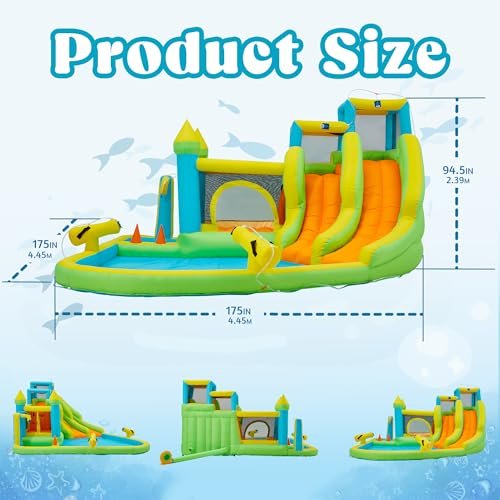
Four bounce house models with 840D PVC surfaces, a 550W blower included, and 10 built-in activity zones — dual slides, splash pool, climbing wall, water cannon, and more — designed for kids aged 3–12 in the backyard.

HOMMOW Gazebo

Gazebo

Five permanent hardtop gazebos ranging from 10×13 to 12×20 feet, with your choice of adjustable polycarbonate or galvanized steel roofs, all on 3.2×3.2-inch aluminum frames rated for 60 MPH winds.

HOMMOW Baby Bassinet

Baby Bassinet

Five 5-in-1 bassinet models in metal and wood-metal frames, with configurations that shift from bedside sleeper to rocking cradle to standalone crib — most include a detachable changing table and mosquito net.

HOMMOW Kids Play Tent

Kids Play Tent

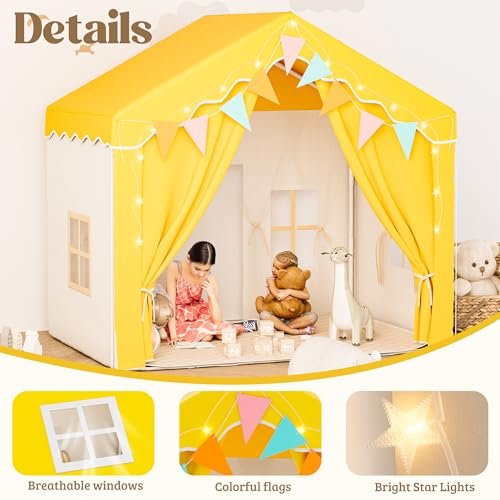
A 54×36.5×51-inch indoor-outdoor play tent with 13.65 square feet of floor space, double-door entry, five windows, star lights, and a washable polyester build — for ages 3 and up.

HOMMOW Kids Bike

Kids Bike

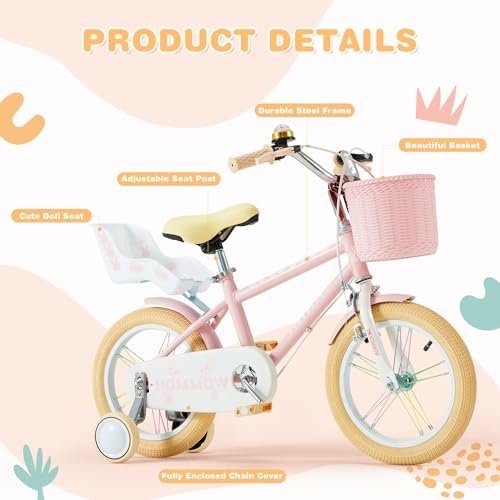
One kids' bike available in 12-, 14-, and 16-inch wheel sizes to fit children 33–53 inches tall, with a dual brake system (coaster and caliper), training wheels, doll seat, and basket included.

HOMMOW Wooden Swing Set

Wooden Swing Set

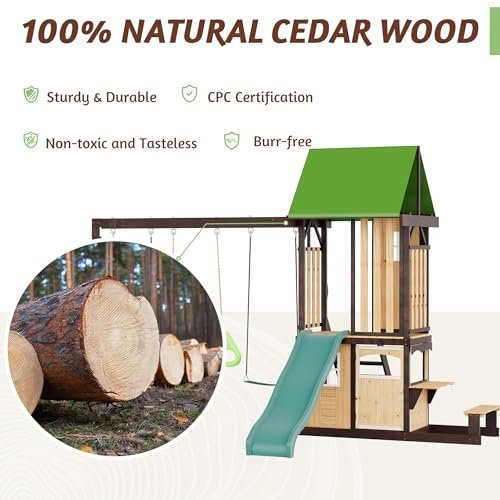
A CPC-certified cedar swing set with 8 play features — clubhouse, wavy slide, two belt swings, trapeze, snack bar, picnic table, and step ladder — supporting up to 220 lbs for kids aged 3–12.

HOMMOW Baby Crib

Baby Crib

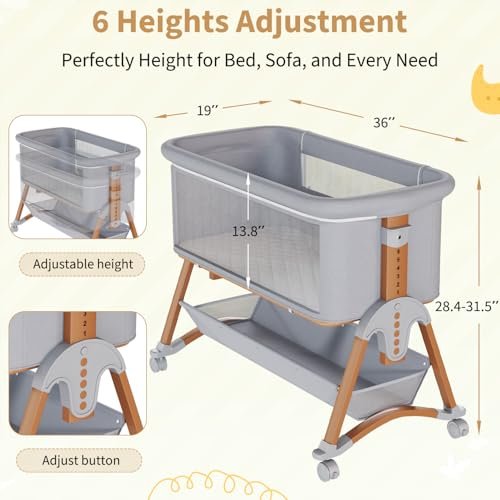
The wood-metal 5-in-1 model functions as an independent crib, bedside sleeper, and rocking cradle within one CPSC-compliant frame, with 6 height adjustments and tool-free assembly in about 5 minutes.

Browse all categories

Browse the complete brand catalog with up-to-date pricing on Amazon.

12 HOMMOW Products Worth Knowing First

These 12 span every category HOMMOW makes — from the bassinet that parents have rated 4.4 stars across 75 reviews to the 12×20 polycarbonate gazebo that covers 240 square feet of patio. They're the products that tend to answer the most specific buyer questions: which water slide has the most activities, which gazebo roof works near a home window, which bassinet fits a standard bed frame.

HOMMOW Inflatable Water Slide
inflatable water slide bounce house

10-in-1 Double Slide with Hoop (Yellow/Green)

See on Amazon
HOMMOW Gazebo 12x20 with Adjustable Polycarbonate Roofs
gazebo

12×20 Polycarbonate Gazebo

See on Amazon
HOMMOW 5-in-1 Baby Bassinet Bedside Sleeper with Swing Tube Converts to Cradle
baby bassinet

5-in-1 Bassinet Grey

See on Amazon
HOMMOW Kids Tent
kids play tent

Kids Play Tent with Lights (Yellow)

See on Amazon
HOMMOW Kids Bike for Girls Boys Ages 3-12 Years
kids bike

Kids Bike with Dual Brakes (Pink)

See on Amazon
HOMMOW Wooden Swing Set with Wave Slide
wooden swing set

Cedar Swing Set with Clubhouse

See on Amazon
HOMMOW 5 in 1 Baby Bassinet
baby crib

5-in-1 Wood-Frame Bassinet

See on Amazon
HOMMOW Inflatable Bounce House for Kids
inflatable water slide bounce house

Double Slide Bounce House (Blue)

See on Amazon
HOMMOW Gazebo 10x13 with Adjustable Galvanized Steel Roofs
gazebo

10×13 Galvanized Steel Gazebo

See on Amazon
HOMMOW 5-in-1 Baby Bassinet Bedside Sleeper with Swing Tube Converts to Cradle
baby bassinet

5-in-1 Bassinet Black

See on Amazon
baby bassinet

How HOMMOW's 5-in-1 Bassinets Actually Work

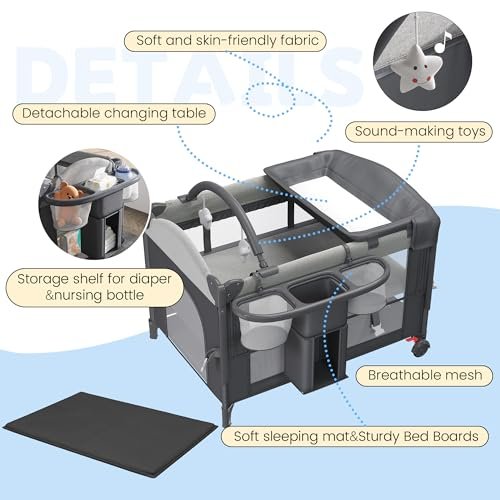
Every HOMMOW bassinet ships as a complete sleep system — mattress, changing table, mosquito net, and storage all included in the box. The frame converts between configurations without tools: pull out the swing tube base and it shifts into a rocking cradle; lower one side and attach the safety strap and it functions as a bedside sleeper. Mattresses and armrests are made from 150D cationic fabric, a soft polyester finish chosen specifically for contact with newborn skin. The main difference between models is the number of height adjustment levels (3, 4, or 6) and whether they include a music box or mosquito net.

What to look for

  • Height adjustment levels — match the bassinet's range to your actual bed height (platform beds need more range than traditional frames)
  • Bedside sleeper mode — confirm the model includes a safety strap; this anchors to the bed frame and is non-optional in this configuration
  • Mosquito net — included on the grey, black, and black-with-patterns models; not included on the music box dark grey variant
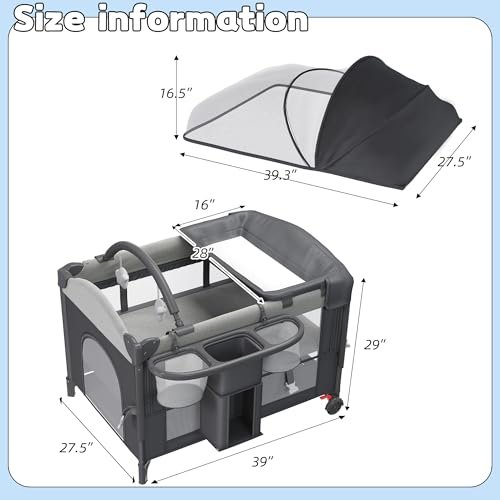
  • Frame material — the wood-metal model (B0FPM1WYG9) is narrower at 36×19 inches vs. the 39×27.5-inch metal-fabric models, and assembles without tools in about 5 minutes
  • Music box — top-mounted on the two patterned models; the grey and black models use a detachable toy arch with sound-making star toys instead

In this category

  • 5-in-1 Bassinet Grey — the most reviewed model in the line (4.4 stars, 75 reviews), with 4 height levels, a detachable changing table, mosquito net, toy arch, and lockable wheels on a 39×27.5-inch frame.
  • 5-in-1 Bassinet Black — identical specs to the grey at 39×27.5×29 inches and 25.35 lbs, with the same 4 height levels, changing table, and mosquito net — the colorway choice for neutral or dark nurseries.
  • 5-in-1 Bassinet with Music Box (Dark Grey) — 3 height adjustment levels and a top-mounted music box instead of a toy arch; 25.1 lbs on the same 39×27.5-inch frame, without the mosquito net.
  • 5-in-1 Bassinet with Music Box (Black) — 4 height levels, music box, and mosquito net at 22 lbs — the lightest of the four metal-fabric models.

What Makes a Bassinet Actually Safe for Newborns

The HOMMOW 5-in-1 bassinet addresses the four physical criteria the American Academy of Pediatrics uses to define a safe infant sleep surface: firm, flat, breathable, and separate. The mattress is designed to meet the firm-flat standard; four-sided mesh construction allows air circulation on all sides; and bedside sleeper mode uses a safety strap — not just proximity — to anchor the unit to your bed frame.

Let's be direct about what "safe sleep" actually means in practice, because the phrase gets used loosely. The AAP recommends that babies sleep on their backs, on a firm and flat surface, without loose bedding, pillows, bumpers, or positioners. Room-sharing (baby in the same room as parents) is recommended for at least the first six months — but the baby should be in their own separate sleep space, not in an adult bed. That's the specific gap a bedside bassinet fills. It keeps the baby close enough for nighttime feeding and soothing without bed-sharing.

The HOMMOW bassinet's mesh panels aren't decorative. Mesh on all four sides means that if a baby rolls against the side — which happens more as they develop — the surface they press against allows airflow rather than blocking it. This is a real functional difference from fabric-sided bassinets, and it's worth checking on any model you're comparing.

HOMMOW 5-in-1 Baby Bassinet Bedside Sleeper with Swing Tube Converts to Cradle

The Safety Strap — Non-Optional in Bedside Mode

When you use the bassinet in bedside sleeper mode, one side panel lowers to sit at mattress level. The safety strap connects the bassinet frame to your bed frame, preventing the unit from drifting away from the bed during the night. This strap is not optional — it's the mechanism that makes bedside mode structurally sound rather than just convenient. Thread it through your bed frame's slat structure or around the leg before placing the baby in the bassinet. If your bed frame doesn't have a clear anchor point, use the bedside configuration with the side panel raised instead.

Locking the Wheels — Do It First, Every Time

The lockable caster wheels make it easy to move the bassinet between rooms. But the brake tab on each wheel needs to be pressed down before you place your baby inside — not after. Each wheel has an independent brake. Press the tab on all four wheels, then confirm the unit doesn't roll when you push it gently. Unlock them when you're moving the bassinet, and re-lock immediately when you stop. This is the step most parents skip in the first week of tired, middle-of-the-night use. Don't.

What the HOMMOW Bassinet Is Not

No bassinet prevents SIDS. That's not a disclaimer — it's a factual statement that matters. SIDS is not fully understood, and no product has been shown to prevent it. What design choices can do is eliminate certain risk factors: poor airflow, unstable surfaces, entrapment risks. The mesh construction, firm mattress, and safety strap address those specific factors. But adult supervision, back-sleeping positioning, and a bare sleep surface are parental practices that no product replaces.

The bassinet is also not a medical device and doesn't carry FDA clearance. If your baby has specific medical needs related to positioning or breathing, discuss sleep surface choices with your pediatrician before purchase — not after.

The CPSC Standard and the Wood-Frame Model

The 5-in-1 Wood-Frame Bassinet (B0FPM1WYG9) specifically notes that it meets USA CPSC baby safety standards. CPSC compliance for bassinets means the product has been tested against federal safety requirements including weight limits, structural integrity, and entrapment testing. The other models in the HOMMOW line don't explicitly state CPSC compliance in their listings — if certification documentation matters for your decision, the wood-frame model is the one with that specific claim on record.

One practical note on the wood-frame model: its 36×19×31.5-inch footprint is meaningfully smaller than the 39×27.5-inch standard models. If you have a tight bedroom layout or a low platform bed, that smaller profile and 6-level height adjustment (versus 3–4 levels on the other models) may be the deciding factor.

When Your Baby Is Ready to Leave the Bassinet

Most babies move from bassinet to crib somewhere between 4 and 6 months — but age is honestly the least reliable signal. The markers that actually tell you it's time are physical: your baby is approaching the weight limit, starting to roll, or pushing up onto hands and knees. Any of those mean the bassinet has done its job and it's time to transition.

Here's why the age range is so wide. A baby who hits 15 pounds at 3 months will outgrow a weight-limited bassinet well before a baby who reaches the same weight at 5 months. And some babies start rolling as early as 10–12 weeks. Rolling changes everything — a baby who can roll onto their stomach in a bassinet with raised sides needs a sleep surface they can roll freely on, which typically means a full crib with a firm flat mattress and no peripheral structure that could cause entrapment.

The Four Signals Worth Watching

  • Weight limit approach: Check the specific limit for your bassinet model. When your baby reaches roughly 80% of that limit, start the transition — don't wait until the day before.
  • Rolling: Once a baby rolls from back to side or side to back consistently, the bassinet's side structure becomes a risk rather than a feature. Move to the crib.
  • Pushing up on hands and knees: This precedes crawling and dramatically increases the risk of a baby leveraging themselves over a lower-sided bassinet wall.
  • Restless sleep: Some babies simply outgrow the space before they hit a physical milestone. If your baby is waking frequently and seems cramped, the crib gives them more room to find a comfortable position.

How the HOMMOW 5-in-1 Extends the Usable Window

The 5-in-1 design is directly relevant here. Before your baby hits the weight or mobility threshold for the bassinet sleep surface, you can transition through several intermediate configurations within the same frame. The cradle mode — activated by pulling out the swing tube base — gives babies who resist still surfaces a soothing motion without requiring a separate product. The play yard configuration opens up the full frame as an enclosed floor-level play space once your baby is sitting and interacting with toys, typically around 6 months.

This matters practically because buying a bassinet and a separate crib and a separate play yard adds up to three purchases. The 5-in-1 frame covers three of those transitions in one product. The honest limitation: the play yard configuration is not a sleep surface — don't use it for unattended naps once your baby is mobile. It's an awake, supervised play space.

HOMMOW 5-in-1 Baby Bassinet Bedside Sleeper with Swing Tube Converts to Cradle

Crib Mode Within the 5-in-1 Frame

The 5-in-1 Wood-Frame Bassinet (B0FPM1WYG9) specifically lists independent crib mode as one of its three operating configurations — alongside bedside sleeper mode and cradle mode. In independent crib mode, all four sides are raised and locked, the unit stands as a standalone enclosed sleep surface, and it's designed for use alongside (but separate from) the parent's bed. This configuration extends the functional life of the same frame well beyond early infancy.

The transition to independent crib mode is also a useful intermediate step for babies who resist sleeping away from the parent's bed entirely. You move the bassinet a foot away from the bed. Then to the other side of the room. Then eventually to a separate room in whatever permanent crib you choose. That gradual process tends to work better than a single-night move, and the HOMMOW's wheeled mobility (all four wheels lock, all four unlock) makes repositioning easy.

When to Choose a Dedicated Full-Size Crib Instead

If you're planning to have more than one child within a few years, a dedicated full-size crib with a longer rated lifespan and a replaceable mattress may make more sense than the convertible approach. The HOMMOW 5-in-1 is designed for one child through early developmental stages — it's not a furniture piece you're passing down to a second child five years later. For a family expecting to reuse the sleep setup across multiple children, a dedicated crib built to that purpose is worth the separate purchase. That's a real trade-off, and it's worth naming directly.

inflatable water slide bounce house

What Sets HOMMOW Bounce Houses Apart

All four HOMMOW bounce houses share the same fabric spec: 420D and 840D Oxford cloth construction with a 840D PVC surface layer — the higher denier count (840 vs. the 420D used in many budget inflatables) means a tighter, heavier weave that resists puncture. Every model ships with a 550W blower that inflates the structure in 1–2 minutes, 10 ground stakes, 4 repair patches, a water tube, and a storage bag. The differences between models come down to activity count, design color, and which accessories are in the box — the Yellow/Green and Red/Blue models include a basketball, dart balls, water blasters, and ring toss gear that the Colorful model doesn't.

What to look for

  • Activity zones — count what your kids will actually use: all four models have dual slides and a splash pool, but only three include a basketball hoop and the Red/Blue adds a football net
  • Ground surface — inflate on grass, not concrete; concrete accelerates wear on the PVC base even with 840D construction
  • Shade and sun exposure — the blower runs continuously during use; plan for a nearby outdoor outlet or a long extension cord rated for 550W
  • Age range — all models are rated for ages 3–12 (36–144 months per manufacturer specs)
  • Storage — all models fold into an included storage bag, but fully drying before storage is essential for 840D PVC longevity across multiple seasons

In this category

How to Set Up, Store, and Get Years from Your Bounce House

HOMMOW Inflatable Water Slide

The difference between a bounce house that lasts two seasons and one that lasts several years comes down almost entirely to two things: what surface you set it up on and how you store it after each use. The 840D PVC fabric used on HOMMOW's water slide bounce houses is genuinely commercial-grade by denier count — but no material survives being stored wet or dragged across concrete repeatedly.

Surface Preparation Before You Inflate

Start with the ground. Grass is fine; packed dirt is fine. What you want to avoid is anything abrasive — concrete patios, asphalt driveways, and gravel are all hard on the PVC underside over repeated use. If your only outdoor space is a patio, lay a ground tarp or a section of foam padding underneath before inflating. This protects the base seams, which are the most common failure point on inflatable structures.

Clear the area of sticks, rocks, and any sharp edges before unrolling the bounce house. A single puncture from a buried stone doesn't immediately destroy the product — HOMMOW includes 4 repair patches in the box specifically for this — but repeated small repairs weaken the area around the patch over time. Prevention is easier than patching.

Inflation and Ground Staking

The 550W blower inflates the bounce house within 1–2 minutes. Connect the blower to the inflation tube before turning it on, and keep the second tube (the exhaust port) closed during inflation. Once fully inflated, anchor the unit using the included plastic ground stakes — 10 stakes come in the box. Drive them through the stake loops at the corners and sides, angled outward at roughly 45 degrees. This is not optional in any outdoor setup. An uninflated bounce house on a 10 mph breeze is annoying; a fully inflated one is a genuine wind hazard if it's not staked.

For water slide use, connect the water tube to your garden hose before you let kids on. The water cannon and slide channels need a continuous flow to stay slick — running a dry slide creates friction that's hard on the PVC surface and uncomfortable for kids. A standard residential water pressure works fine; you don't need a booster.

The Dry-Before-Storage Sequence

This is the step most people skip, and it's the main reason inflatables fail before their time. Water trapped inside the seams and fold points creates the conditions for mildew, which weakens the fabric bond over time in ways that aren't visible until the structure starts separating.

After the last use of the day: turn off the water first, then let kids bounce for another 5–10 minutes on the dry surface. This runs off most of the pooled water. Then disconnect the blower, open all inflation ports, and let the structure deflate completely. Spread it out flat (or drape it over a fence if you have the space) and leave it for at least an hour before folding. If you used it wet, an hour in direct sunlight is better than an hour in shade — but don't leave it in full sun indefinitely once dry, since prolonged UV exposure degrades PVC over time even when stored.

When folding for storage, roll from the far end toward the blower ports so air is pushed out rather than trapped. Store in the included storage bag in a dry location. A garage shelf or interior closet works; a damp basement does not.

Seasonal Storage and Longevity

If you're storing the bounce house through winter, do a final thorough drying before putting it away for the season — more thorough than your post-use routine. Inflate the unit one last time, inspect every seam for small punctures or separation, and make repairs with the included patches before storage. A small patch applied when the damage is minor is far more effective than a large repair in spring when the separation has grown.

Store at temperatures above freezing. PVC becomes brittle below 32°F (0°C), and folding a cold PVC structure can crack seams that would flex fine at room temperature. If your garage drops below freezing in winter, bring the storage bag inside for the coldest months.

With consistent care — proper surface, thorough drying, proper storage — 840D PVC inflatables can realistically last 5–10 years of seasonal residential use. That's the commercial-grade performance the denier rating is designed to deliver. Without that care, even heavy-duty material wears out in two to three seasons.

Using the Repair Patches

HOMMOW includes 4 repair patches in every bounce house set. Small punctures — anything under about 2 inches — are straightforward to repair. Deflate the unit completely and let the area dry if wet. Clean the surface around the puncture with a dry cloth. Peel the patch backing, center it over the puncture with at least a half-inch margin on all sides, and press firmly for 60 seconds. Let it cure for 2–3 hours before re-inflating. Don't test the patch immediately — the adhesive needs time to bond fully. For larger tears along a seam, contact HOMMOW customer support through Amazon before attempting a patch repair, since seam separation often requires a different approach than surface punctures.

gazebo

HOMMOW Gazebos by Size and Roof Type

HOMMOW's gazebo line splits across two roof materials — adjustable polycarbonate panels and adjustable galvanized steel panels — on the same 3.2×3.2-inch aluminum post frame rated for 60 MPH winds. Sizes run from 10×13 feet (130 square feet of floor area) up to 12×20 feet (240 square feet). All models use a sloped roof with integrated gutters to channel rainwater away from the structure. The practical difference between roof types comes down to light: polycarbonate lets diffused natural light through; galvanized steel blocks it entirely but adds thermal insulation and soundproofing that polycarbonate doesn't provide.

What to look for

  • Roof material — polycarbonate if you want natural light under the gazebo during the day; galvanized steel if the structure is adjacent to a bedroom window or you're in a climate with heavy snow load
  • Size — the 10×13 covers roughly 130 sq ft (comfortable for a patio dining set); the 12×16 covers 192 sq ft; the 12×20 covers 240 sq ft (dining set plus lounge chairs)
  • Assembly — plan for 2 people and a full day; larger models (especially the 12×20 at 313–423 lbs) ship in 7 boxes and require verifying all parts before starting
  • Panel count — the 10×13 models have 2 adjustable panels; the 12×20 models have 3, giving more granular control over shade and airflow
  • Location relative to windows — polycarbonate roofs are specifically designed to minimize light disruption when installed near doors and windows; galvanized steel blocks light entirely regardless of panel position

In this category

  • 12×20 Polycarbonate Gazebo — the flagship at 313 lbs with 3 adjustable polycarbonate panels, 240 sq ft of floor space, sloped roof with gutters, and 60 MPH wind rating; ships in 7 boxes.
  • 12×16 Polycarbonate Gazebo — 240 lbs with 2 adjustable panels on 3.2×3.2-inch aluminum posts; 192 sq ft footprint with the same sloped gutter roof; ships in 6 boxes.
  • 10×13 Polycarbonate Gazebo — the entry-size polycarbonate model at 180 lbs, 130 sq ft floor area, 2 adjustable panels; ships in 4 boxes.
  • 10×13 Galvanized Steel Gazebo — 249 lbs with galvanized steel roof panels, UV protection, thermal insulation, and soundproofing on the same aluminum frame as the polycarbonate line; 130 sq ft floor area.
  • 12×20 Galvanized Steel Gazebo — the heaviest model at 423 lbs, 3 adjustable galvanized steel panels, 240 sq ft; built for maximum weather resistance in year-round outdoor exposure; ships in 7 boxes.

Polycarbonate or Galvanized Steel Roof for Your Patio

HOMMOW makes both roof types, which is unusual — most gazebo brands commit to one material across their entire line. Polycarbonate panels let natural light through while filtering UV and heat; galvanized steel panels block light entirely but provide better thermal insulation and soundproofing. The right choice depends on your climate, your patio's sun exposure, and whether the gazebo sits adjacent to a window.

HOMMOW Gazebo 12x16 with Adjustable Polycarbonate Roofs

These aren't just aesthetic differences. They change how the space feels and functions throughout the day, and they have real implications for how well the structure holds up in your specific climate.

What Polycarbonate Roof Panels Actually Do

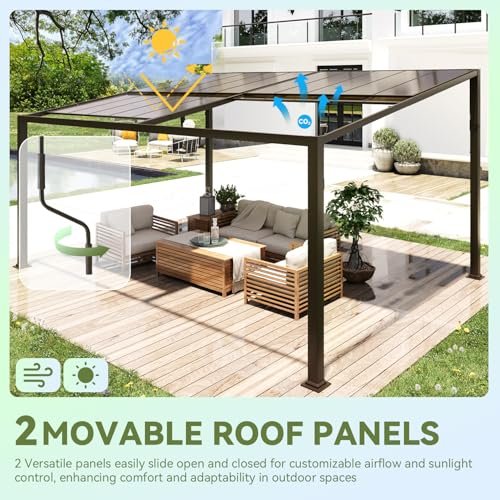
Polycarbonate is a rigid, impact-resistant plastic that transmits diffused light while blocking a significant portion of UV radiation. Under a polycarbonate roof, the space feels like a bright covered porch — you're shaded from direct sun, but the area doesn't go dark. HOMMOW's polycarbonate panels are independently adjustable (2 panels on the 10×13 and 12×16 models; 3 panels on the 12×20), so you can open them partially to balance shade and airflow, close them fully for complete cover during rain, or open them entirely on a clear night.

The light-transmission quality matters most in two situations. First, if your gazebo is positioned adjacent to your home and blocks a door or window, polycarbonate preserves the natural light entering that room — a closed steel roof would darken the adjacent interior meaningfully. Second, for anyone who wants the space to feel open and garden-like rather than enclosed, the diffused light through polycarbonate creates a noticeably different atmosphere than shelter under solid panels.

One honest limitation: polycarbonate retains and transmits some heat on very hot days. A closed polycarbonate roof in full direct sun will be warmer underneath than a galvanized steel roof in the same conditions. If your patio faces south or west and gets full afternoon sun in a hot climate, this is worth factoring in.

What Galvanized Steel Roof Panels Provide

Galvanized steel roofing means the steel has been coated in zinc, which protects the metal from rust at the structural level — not just at the surface. This matters for year-round outdoor exposure, particularly in climates with frequent rain, humidity, or snow. Powder coating adds a secondary surface-finish layer for additional durability and color stability.

Under a galvanized steel roof, the space is shaded completely — no light transmission, which means lower temperatures underneath on hot days. The steel also provides genuine thermal insulation in cold weather (the gazebo space stays somewhat warmer than it would under polycarbonate) and meaningfully reduces rain noise, which polycarbonate amplifies. If you plan to use the gazebo for conversations, outdoor dining, or anything where rain noise would be disruptive, the galvanized steel roof is the better choice.

The trade-off: it's heavier. The 10×13 Galvanized Steel Gazebo (B0GY3WH6ZR) weighs 249 pounds fully assembled; its polycarbonate counterpart (B0FG2PMZXK) weighs 180 pounds. The 12×20 galvanized steel model (B0H3F9VXRF) reaches 423 pounds. This weight difference matters during assembly — more components, more lifting, and you'll want at least two adults for any galvanized steel model — and it affects footings if you're anchoring to a deck.

The Decision Framework

Both roof types share the same aluminum frame — 3.2×3.2-inch posts rated to 60 MPH wind — the same sloped roof design with integrated gutters, and the same adjustable panel system. The frame performance is identical. The roof material choice is entirely about light, temperature, and climate match.

Criteria Polycarbonate Roof Galvanized Steel Roof
Natural light Diffused light passes through Fully blocked — dark underneath
Hot sunny days Warmer underneath when closed Cooler underneath — better shade
Rain noise Audible drumming on panels Significantly quieter
Adjacent windows Preserves indoor light May darken adjacent room
Year-round durability Very good Excellent — zinc protects at metal level
Assembly weight Lighter (180–313 lbs by size) Heavier (249–423 lbs by size)
Best climate match Moderate — 4-season areas with mild winters Any climate, especially high-rain or snow

If you're in the Pacific Northwest or the upper Midwest and the gazebo will stand through wet winters, the galvanized steel roof is worth the weight premium. If you're in a moderate climate and your patio gets afternoon shade from the house or trees, the polycarbonate gives you the best of both — covered but bright, adjustable, and light enough to assemble with two people in a reasonable afternoon.

Size Selection and Assembly Reality

Size selection matters beyond the obvious square footage question. The 12×20 footprint covers 240 square feet — enough for a full patio dining set with 6–8 chairs plus a separate lounge area. The 10×13 covers 130 square feet, which is generous for a dining set with 4 chairs but tight for anything larger. The 12×16 sits between, at roughly 192 square feet.

Assembly complexity scales directly with size and weight. The 10×13 polycarbonate model ships in 4 boxes; the 12×20 galvanized steel ships in 7 boxes at 423 pounds total. Don't attempt either solo. Reviews from Walmart buyers on comparable structures note single-person assembly taking 6 hours; two-person assembly on the larger models typically requires a full day, particularly for getting the roof panels into position. Read the complete instruction set before starting — section-by-section assembly without the full picture is where most errors happen.

kids play tent

13 Square Feet of Indoor-Outdoor Play Space

The HOMMOW kids' play tent measures 54×36.5×51 inches — that's 13.65 square feet of floor space, enough for 2–3 kids to sit, read, or play together without crowding. It's built from polyester fabric on PVC poles, with a double-door entry so kids can move in and out from either end, five windows with lace curtains that tie back, and a skylight for airflow. Star lights are included. The whole structure sets up in 10–15 minutes with one or two adults and is machine washable — which matters more than most product descriptions acknowledge.

What to look for

  • Floor space — 13.65 sq ft fits 2–3 children ages 3–8 comfortably; it's not designed for adults to use independently
  • Indoor vs. outdoor — the polyester fabric and PVC poles handle both settings; the machine-washable construction makes post-outdoor-use cleanup straightforward
  • Double-door design — genuinely useful if more than one child uses the tent; single-door tents create traffic jams
  • Age range — rated for ages 3 and up; the 51-inch height accommodates kids through early elementary school without stooping

In this category

  • Kids Play Tent with Lights (Yellow) — 54×36.5×51 inches with 13.65 sq ft of floor space, double-door entry, 5 windows, star lights, floor mat, and machine-washable polyester construction; rated 4.4 stars across 15 reviews.

How to Choose a Play Tent That Actually Gets Used

The HOMMOW Kids Play Tent with Lights gives kids 13.65 square feet of enclosed floor space — enough for 2–3 children to sit comfortably with books, small toys, or stuffed animals. At 54×36.5×51 inches, it fits against a bedroom wall without taking over the room. And honestly, whether a play tent gets used long-term has almost everything to do with where it goes and what goes inside it, not the tent itself.

Indoor or Outdoor — This Tent Handles Both

The HOMMOW tent uses polyester fabric and PVC poles. Polyester handles outdoor humidity and occasional light moisture without warping or degrading; it's also machine washable, which matters once a child has brought snacks and muddy shoes inside. The PVC pole structure doesn't rust and doesn't soften in heat the way some cheaper fiberglass poles do. Setup indoors or out, the structure is the same.

That said, it's not weatherproof in the way a camping tent is. Use it outdoors on fair-weather days — light shade, light breeze, no rain. Direct rain will wet the interior through the mesh windows, and extended sun exposure will fade the fabric over time. Bring it inside or cover it if you're leaving it outdoors overnight.

What Age Range Actually Uses Play Tents

The listing notes ages 3+. In practice, the sweet spot is roughly 3–8 years. Before 3, most children don't have the imaginative play independence to use an enclosed space — they want to be near a parent, not inside a private structure. After 8, the 51-inch height gets genuinely cramped for older kids, and most of them have moved on to other formats. For the 3–7 window, an enclosed play tent is one of the consistently-used toy purchases, because it creates a space that feels like the child's own territory.

HOMMOW Kids Tent

The double-door design on the HOMMOW tent is worth noting specifically. Kids who are playing together almost always enter and exit from different directions, and a single-door tent creates a traffic problem that leads to pushing and frustration. Having a door on both ends removes that friction entirely.

What to Put Inside

The tent ships with a floor mat — that's already handled. What makes the difference between a tent that gets played in daily and one that gets ignored after a week is what's inside it. A few specifics that work well:

  • A small pillow and a lightweight blanket — the enclosed space feels like a fort when it has bedding
  • A basket of books — reading inside the tent becomes a specific ritual kids return to
  • A few small stuffed animals or action figures — the tent becomes a "home base" for imaginative play
  • The star lights that come included in the HOMMOW tent — plug them in or add batteries and leave them on during play; the visual environment changes the space in a way kids respond to strongly

Don't overfill it. The 13.65 square feet is cozy with 2–3 kids and a few items; it becomes chaotic with 15 toys and no floor space. Keep the inside intentional and the space stays special.

Setup Time and Stability

Two adults can assemble the tent in 10–15 minutes. The PVC pole structure slides through sleeve channels in the fabric and locks at the base corners — it's the same system used on camping tents and most kids' play structures. No tools. The skylight in the roof panel, the five windows with curtains, and the lace trim are all part of the pre-sewn structure, so there's nothing to add or attach beyond the poles and the floor mat.

Indoors, the tent is freestanding and stays in place on carpet or hardwood without any anchoring. Outdoors on grass, it stays stable in light wind but isn't staked down — move it to a sheltered spot or bring it inside if the wind picks up. It weighs roughly 5–7 pounds, so a strong gust can tip it.

The Play Tent vs. Play Couch Question

Some parents weigh a play tent against a foam play couch (the type with removable covers that reconfigures into a mini sofa, slide, or mat). They serve genuinely different play styles. A play tent is for kids who do imaginative, role-play, small-world play — the tent is a castle, a hideout, a shop. A play couch is for kids who need physical movement — jumping, climbing, flipping cushions. If your child does both, they're different products that don't replace each other. If you can only choose one: a physical mover gets more from a play couch; an imaginative, quieter player gets more from the tent.

kids bike

HOMMOW Kids Bike in Three Wheel Sizes

The HOMMOW kids' bike comes in 12-, 14-, and 16-inch wheel sizes matched to specific height ranges rather than just age — the 12-inch fits children 33–41 inches tall, the 14-inch fits 35–47 inches, and the 16-inch fits 41–53 inches. Every size ships with training wheels, a doll seat, a basket, a bell, a chain cover, and DIY animal-print stickers. The brake system combines a coaster brake (foot pedal) and a caliper hand brake — the coaster brake is the primary stopping mechanism for younger riders whose grip strength is still developing; the hand brake is a secondary skill that grows into. The bike weighs 20 lbs and carries a 1-year warranty.

What to look for

  • Wheel size — measure height first, not age; a tall 3-year-old may need the 14-inch while a small 5-year-old may still be on the 12-inch
  • Ground contact — the child should be able to place both feet flat (or close to flat) on the ground when seated; the HOMMOW listing specifies "fit children [height range] tall" — use that, not the age range
  • Brake system — the coaster brake engages by pedaling backward; for kids just learning, this is more reliable than a hand brake that requires grip strength
  • Training wheels — included; plan to remove them once the child can balance independently, typically after 3–6 months of riding

In this category

  • Kids Bike with Dual Brakes (Pink) — available in 12", 14", and 16" wheel sizes fitting children 33–53 inches tall; dual coaster and caliper brake system, training wheels, doll seat, basket, bell, and 1-year warranty; 20 lbs.

Choosing the Right HOMMOW Kids Bike Size

The HOMMOW kids bike comes in 12-inch, 14-inch, and 16-inch wheel sizes, and the correct choice depends on your child's height — not their age. Age ranges are included as a rough guide, but two 4-year-olds can easily differ by 4–5 inches in height, which puts them in completely different wheel sizes. Measure first.

The Sizing Chart

Wheel Size Child Height Typical Age Range
12 inch 33–41 inches tall Ages 2–4
14 inch 35–43 inches tall Ages 3–5
16 inch 41–53 inches tall Ages 4–7

The 14-inch listing in the product specs notes the range as 35–43 inches, while the product overview lists 35–47 inches for the 14-inch size. When the spec sheet and the overview differ, use the more conservative range (35–43 inches) as your guide and verify standover clearance with the check below.

HOMMOW Kids Bike for Girls Boys Ages 3-12 Years

Why Height Outperforms Age

Kids grow at wildly different rates. A child who is 40 inches tall at age 3 will find a 12-inch bike cramped and a 16-inch bike oversized — the 14-inch is the right fit regardless of age. Buying by age instead of height is the single most common kids' bike sizing mistake, and it usually results in either a bike the child can't control safely or one they outgrow in four months.

The measure that matters most is standover height — the distance from the ground to your child's inseam when standing flat-footed. The child should be able to stand over the top tube with at least an inch of clearance. For a first bike with training wheels, being able to place both feet flat on the ground while seated is a confidence builder; a child who can only toe-touch tends to panic-stop by putting their feet down rather than using the brakes.

How to Do the Standover Check

  • Have your child stand in flat-soled shoes against a wall
  • Place a book flat between their legs at inseam height and mark the wall
  • Measure from the floor to the mark — that's their inseam length
  • Cross-reference with the height chart above; kids on the shorter end of a size range typically feel more confident on that size, while taller kids can size up

The Dual Brake System — What It Means for Young Riders

The HOMMOW bike uses both a coaster brake (you pedal backward to stop) and a caliper hand brake. For riders on the 12-inch model — typically ages 2–4 — the coaster brake is going to be the primary stopping mechanism. Young children often lack the grip strength to reliably squeeze a hand brake hard enough to stop quickly, especially in a moment of panic. The caliper brake is there, and learning to use it is a valuable skill that develops through the 14-inch and 16-inch years. But for the youngest riders, the coaster brake is doing the real safety work.

This is worth knowing before you start teaching. If your 3-year-old reaches for the hand brake and the bike doesn't stop as fast as they expected, that's not a product failure — it's a grip strength limitation. Teach the foot brake first. Add the hand brake as a secondary skill once they're comfortable with basic bike control.

Training Wheels and When to Remove Them

Training wheels come included with the HOMMOW bike. They're useful for the first weeks while a child learns pedaling and steering, but they create a false sense of balance that can actually slow the transition to two-wheel riding if left on too long. Most kids are ready to attempt two-wheel riding once they can confidently steer around turns, start, and stop on training wheels without leaning heavily into them.

The standard removal method: take off the pedals temporarily and lower the seat so both feet rest flat on the ground. Let the child scoot and glide. Once they're balancing through glides naturally, put the pedals back. This approach — popularized by balance bike advocates — works on any kids' bike with removable pedals and gets most children riding without training wheels in a few sessions rather than weeks.

The HOMMOW kids bike also comes with a basket, doll seat, bell, chain cover, and streamers. These are included in the box — no separate purchase required. The doll seat is a genuine feature for the 3–5 age group, not a gimmick; it gives kids a sense of responsibility and tends to extend the amount of time they want to ride.

wooden swing set

Cedar Swing Set with 8 Built-In Play Features

The HOMMOW cedar swing set measures 114.6×161.8×102.8 inches assembled — roughly 9.5 feet wide by 13.5 feet long — and packs 8 play features into that footprint: a clubhouse with a full front door, a snack bar window with attached chairs, a picnic table, a wavy slide, two belt swings, a trapeze, and a step ladder. The frame is CPC-certified cedar, rated for up to 220 lbs. Assembly takes 1–2 people 4–6 hours; this is a realistic estimate based on similar cedar swing set builds, not a marketing minimum. It weighs 114 lbs and is designed for kids aged 3–12.

What to look for

  • Footprint — the assembled structure is roughly 9.5×13.5 feet; add at least 6 feet of clearance on each swing side before selecting your site
  • Ground surface — cedar posts perform best on a level surface with impact-absorbing material (rubber mulch, wood chips, or sand) under the swing and slide zones; grass alone doesn't meet safety standards for fall zones
  • Assembly — plan for 2 people and a full day; all hardware is included and the instructions cover 1–2 people completing the build in 4–6 hours
  • Weight limit — 220 lbs across all active use points; the frame is designed for multiple children simultaneously, not a single-child limit
  • Review context — the set has 3 reviews at 2.5 stars; read current Amazon reviews before purchasing and factor assembly complexity into your decision

In this category

  • Cedar Swing Set with Clubhouse — 114 lbs of CPC-certified cedar with 8 play zones, 220 lb weight capacity, and 4–6 hour assembly; designed for kids aged 3–12 in a permanent backyard installation.

Site Prep and Safety Clearance for Your Swing Set

Before you open a single box of the HOMMOW cedar swing set, the most important decision is where it goes. The structure's footprint is 114.6×161.8 inches — roughly 9.6×13.5 feet — but the safe use zone is considerably larger. Get the placement wrong and you'll either need to move it (not a quick job with a 114-pound structure) or accept a safety compromise.

The 6-Foot Clearance Rule

The Consumer Product Safety Commission recommends a minimum 6-foot clearance zone on all sides of a swing set beyond the outermost point of the equipment. For swings, that means 6 feet beyond the maximum arc of the swing — not 6 feet from the frame post. Since belt swings on a standard residential set arc roughly 6–8 feet forward and backward from the pivot point, the practical clearance from the back of the A-frame to the nearest fence, wall, or obstacle needs to account for both the frame footprint and the full arc.

In practice: plan for a total ground area of approximately 22×26 feet to safely accommodate the HOMMOW swing set with proper clearance on all sides. Mark that zone with string before assembly so there are no surprises after the structure is up.

HOMMOW Wooden Swing Set with Wave Slide

Ground Surface Under the Swing Set

Grass alone doesn't meet safety standards under a swing set. The issue is impact attenuation — what happens when a child falls. Natural grass compacts over time and provides very little cushioning for falls from height. The CPSC recommends a loose-fill or synthetic surface material under and around play equipment.

Options that work, ranked by maintenance level:

  • Engineered wood fiber or wood chips: 9–12 inches deep for adequate impact attenuation. Needs replenishing annually as it compacts and decomposes.
  • Rubber mulch: 6 inches deep provides similar protection. Doesn't decompose, holds up through weather changes, but costs more upfront and can track indoors.
  • Sand: 9–12 inches deep works, but requires regular raking to keep level and can harbor insects or animals if not maintained.
  • Pea gravel: Works at 9 inches depth, but the small-rock texture isn't ideal for younger children and can cause abrasion injuries on impact.

Concrete and packed dirt are not acceptable surfaces under a swing set at any depth. If you're building on a concrete patio, the only compliant option is a thick interlocking rubber mat system rated for playground use — the kind measured in inches of thickness, not the thin anti-fatigue mats used in gyms.

Site Leveling

The swing set needs to sit on level ground to maintain structural integrity and prevent gradual leaning. A difference of more than 2 inches across the 161.8-inch length of the structure will put uneven stress on the frame joints over time. If your yard has a slope, you have two options: level the ground before assembly (excavate the high side, fill the low side with compacted fill material) or install adjustable anchor hardware at the feet to compensate for grade. Don't attempt to shim the posts with blocks or lumber — that's not a stable long-term solution under a structure that will bear up to 220 pounds in motion.

CPC Certification — What It Means

The HOMMOW Cedar Swing Set carries CPC (Children's Product Certificate) certification. CPC certification means the manufacturer has tested the product against applicable federal children's product safety rules and documented the results. For wooden play equipment, relevant testing typically covers lead content in surface coatings, phthalates in any plastic components, and structural integrity under load. It's a compliance document, not a third-party safety endorsement — but its presence means the manufacturer has engaged with federal requirements rather than ignoring them, which matters for a category with significant injury risk.

Assembly Time and Crew Requirements

The product description states 4–6 hours of assembly for 1–2 people. That's an honest estimate for the cedar frame and the basic swing hardware. The clubhouse roof, snack bar components, and the attached picnic table add complexity that can push first-time assemblers toward the longer end of that range. Two people is genuinely better than one — not because any individual piece is too heavy for one person to manage, but because holding a panel in position while driving a fastener into cedar requires a second set of hands. Have someone available for the full duration, not just for the heavy lifting at the start.

The swing set ships requiring full assembly. Read the entire instruction manual before starting, not just the first section. The assembly sequence matters — several components need to be installed in a specific order because later pieces lock earlier ones in place. Getting the sequence wrong doesn't necessarily mean starting over, but it does mean backing out fasteners and partial disassembly, which weakens cedar wood connections.

baby crib

When Your Bassinet Becomes a Standalone Crib

The 5-in-1 Wood-Frame Bassinet is the model in HOMMOW's lineup that functions most fully as a standalone crib — it meets CPSC baby safety standards, assembles without tools in about 5 minutes, and offers 6 height adjustment levels compared to the 3 or 4 on the metal-fabric models. At 36×19×31.5 inches, the footprint is narrower than the other bassinets in the line, which makes it easier to position in a smaller nursery. The three core configurations — independent crib, bedside sleeper with safety strap, and rocking cradle — shift without tools, and the storage basket at the bottom keeps diapers and bottles within reach.

What to look for

  • Independent crib mode — positions the baby away from your bed, which the AAP recommends for safe sleep; the firm included mattress supports this configuration
  • Bedside sleeper mode — one side lowers and the safety strap attaches to your bed frame; this is non-optional in this mode and is included with the product
  • Height adjustment — 6 levels accommodate a wider range of bed heights than the 3- or 4-level metal models; measure your mattress height before ordering
  • CPSC compliance — this specific model (B0FPM1WYG9) is listed as meeting USA CPSC baby safety standards; the other bassinet models in the line do not carry this specific notation in their product data
  • Transition planning — the structure works from newborn through early infancy; when the baby starts rolling or pushing up on hands, it's time to move to a full-size floor crib

In this category

  • 5-in-1 Wood-Frame Bassinet — CPSC-compliant wood-metal frame, 6 height levels, 36×19×31.5-inch footprint, tool-free 5-minute assembly, rocking cradle mode, and a bottom storage basket; rated 4.4 stars across 75 reviews.

Moving from Bassinet to Crib — What to Look For

HOMMOW 5 in 1 Baby Bassinet

The transition from bassinet to crib involves more than just a size change. A full crib has fixed sides, a lower-profile sleeping surface, and is designed for a child who is rolling, sitting, or beginning to pull up — all of which require more free space and more structural boundary than a bassinet provides. Knowing what to look for in that transition makes the move easier on both the baby and the parent.

What Changes When You Move to a Crib

Three things change when you move from a bassinet to a crib, and each matters for a different reason.

Fixed sides: Bassinets often have lower side profiles because the baby isn't yet mobile. A full crib's sides are tall and fixed because a baby who pulls to standing needs a barrier they can't climb out of. Once your baby is pulling up consistently, the crib's taller fixed sides are a structural necessity, not just a size upgrade.

Mattress firmness and fit: Cribs use a larger, thicker mattress than most bassinets. The AAP standard is the same — firm, flat, no gap between the mattress and the frame — but at crib scale, mattress fit becomes more critical. A mattress more than two fingers' width away from the crib frame on any side is a potential entrapment hazard. When purchasing a crib mattress separately, verify the exact interior crib dimensions and buy to that measurement.

Positioning: A bedside bassinet sits at adult mattress height for easy nighttime access. A crib typically sits lower and stands independently. That positional change is the one most parents find psychologically harder — the baby is no longer arm's reach away at night. Gradual repositioning (move the bassinet a foot away, then across the room, then into the nursery on separate nights) tends to work better than a single-night full transition.

How the HOMMOW 5-in-1 Covers This Transition

The 5-in-1 Wood-Frame Bassinet (B0FPM1WYG9) is specifically designed to bridge the bassinet-to-crib gap within one frame. Its independent crib mode raises all four sides and positions the mattress as a standalone enclosed sleep surface — functioning as a crib rather than a bedside extension. The 6-level height adjustment lets you lower the sleep surface as the baby grows and their standing reach increases. This is the same design principle used in dedicated convertible cribs, but within a frame that already served as a bassinet from week one.

The wood-metal frame construction on the B0FPM1WYG9 also gives it the visual weight of a proper crib — it reads as nursery furniture rather than a temporary infant product. If that distinction matters for your setup, it's worth noting.

Travel Crib vs. Permanent Crib — A Real Distinction

Parents searching "baby crib" often mean two different things: a permanent home sleep setup and a portable travel crib (also called a pack-n-play or travel yard). These are genuinely different products that shouldn't be substituted for each other as a primary sleep surface.

A travel crib is designed for occasional use — a few nights at grandparents' house, a vacation week. The mattress is thinner than a dedicated crib mattress, the frame folds for portability, and the structure isn't designed for the structural loading of a baby who sleeps in it 10–12 hours every night for two years. Using a travel crib as a primary sleep surface long-term puts more stress on the frame than it's designed for.

The HOMMOW 5-in-1 in crib mode is a home sleep setup. It folds for transport and includes a storage bag, but its design — wood-metal frame, sized mattress, multiple sleeping configurations — is intended for regular daily use, not occasional travel. If portability for overnight trips is the main need, that's a separate purchase from a dedicated home crib.

Weight and Developmental Readiness Signals for the Crib Move

Check your specific bassinet model's weight limit before relying on age or milestone as the trigger. For HOMMOW's standard 5-in-1 models, approach the weight limit by about 80% and start the transition, regardless of where your baby is developmentally. Combined with the physical signals — rolling, pushing to hands and knees, beginning to pull up — any one of these should start the transition clock. Waiting for all of them to occur simultaneously usually means you've waited too long.

Once in crib mode, lower the mattress height as soon as your baby can pull to standing. The standard protocol: mattress at the highest position for newborns through early sitting; mid-height once the baby sits independently; lowest position once the baby stands and cruises along the rail. Don't wait until the baby has already climbed to lower it.

What HOMMOW Buyers Actually Said

"We set this up in about 25 minutes without reading the full manual first — probably a mistake, but it still worked. The 6 height adjustments were the main reason we picked it, and that feature genuinely earned its place. Having the diaper changer right there attached to the frame saved me more middle-of-the-night trips than I can count."
— Megan T., first-time parent expecting her second, on Baby Bassinet
"My husband assembled this solo on a Saturday. Took him about 6 hours, which tracks with what other reviewers mentioned. The 3.2×3.2-inch aluminum posts are noticeably beefier than the gazebo we had before — that one collapsed in a windstorm. This one has been standing through a full Ohio summer and one thunderstorm without budging."
— Diane R., backyard homeowner replacing a previous gazebo, on Gazebo
"The instructions aren't the clearest I've ever seen, and I'd strongly recommend having two people for the roof section. That said, the end result is solid. Polycarbonate panels let in real diffused light — the space doesn't feel like a cave the way a metal roof would. We used it straight through to October."
— Kevin M., homeowner who installed it adjacent to a deck door, on Gazebo
"Inflated fully in under 2 minutes with the included 550W blower. Three kids — ages 4, 6, and 8 — stayed on it for nearly three hours on a 91°F afternoon. The mesh safety nets around the bounce zone held up to a lot of chaotic jumping. My only note: dry it completely before storage, or you'll have a problem by next season."
— James P., dad of three shopping for summer backyard activities, on Inflatable Water Slide Bounce House
"My niece is 4 and obsessed with this tent. The double-door design matters more than I expected — she goes in the front and out the back constantly as part of whatever game she's invented. The star lights run on batteries and she insists on them being on even during the day. At 54 inches long there's genuinely room for two kids and a pile of stuffed animals."
— Sandra L., aunt buying a gift for a preschool-aged child, on Kids Play Tent
"The sizing chart is accurate — my son is 38 inches tall and the 12-inch wheel fits him exactly right. He can flat-foot the ground, which made the first week of learning much less frustrating for both of us. The coaster brake is what he actually uses; the hand brake is there but his grip isn't strong enough yet. That's fine — it's how most kids learn anyway."
— Brian C., parent buying a first bike for a 3-year-old, on Kids Bike

Questions Buyers Ask About HOMMOW Products

Are HOMMOW bassinets safe for overnight newborn sleep?

Yes — the HOMMOW 5-in-1 bassinet is designed around the AAP's safe sleep criteria: a firm flat mattress, four-sided mesh construction for airflow, lockable wheels with a brake tab, and a safety strap that anchors to the bed frame in bedside sleeper mode. It's not a medical device, and it won't prevent SIDS, but the physical design aligns with what pediatric safe sleep guidelines recommend.

When does a baby outgrow the HOMMOW bassinet?

Most babies outgrow it between 4 and 6 months — not because of age, but because of developmental milestones. Stop use when your baby begins pushing up on their hands and knees or approaches the manufacturer's weight limit. At that point the 5-in-1 Wood-Frame Bassinet can transition to standalone crib or play yard mode within the same frame.

Should a newborn sleep in a bassinet or go straight to a crib?

A bassinet makes sense for the first few months — it keeps the baby close for nighttime feeds and fits beside most beds. The HOMMOW 5-in-1 covers both: it operates as a bedside sleeper initially, then converts to an independent crib mode when you're ready to move the baby further away. One frame handles both transitions.

How long does a HOMMOW gazebo take to assemble?

Expect 4–6 hours minimum for the 10×13 models and a full day or more for the 12×20 configurations, which ship in 7 boxes and weigh up to 423 lbs. Real buyers on Walmart and Home Depot consistently report that the roof section requires at least two people. Read through the full instruction set before starting rather than section by section — it saves significant time.

Can HOMMOW gazebos stay up through winter?

Both roof types — polycarbonate and galvanized steel — are rated for year-round outdoor use and built to withstand winds up to 60 MPH. The galvanized steel roof adds thermal insulation and superior rust resistance at the material level, making it the stronger choice for climates with heavy snow or ice. All aluminum frames are powder-coated for weather resistance across both lines.

What's the difference between HOMMOW's polycarbonate and galvanized steel gazebos?

Polycarbonate panels transmit diffused natural light while filtering UV — the space underneath stays bright during the day. Galvanized steel panels block light entirely but provide better thermal insulation and soundproofing. If your gazebo sits next to a home window and you're worried about blocking interior light, polycarbonate is the right choice. For maximum weather protection in harsh climates, galvanized steel wins.

How long do HOMMOW inflatable water slides last?

The 840D PVC surface construction is commercial-grade — high-quality inflatables made from this material can last 5–10 years with proper care. The key variable is storage: deflate completely, let it dry thoroughly before folding (flipping it upside-down in the driveway for an hour works well), and keep it out of UV exposure when not in use. All HOMMOW bounce house models include 4 repair patches for minor punctures.

What age range fits HOMMOW inflatable water slides?

The manufacturer lists ages 3–12 (36–144 months) for all four bounce house models. The 550W blower fully inflates the structure in 1–2 minutes, and mesh safety nets surround the jumping area with raised handrails on both slides. Ground stakes are included and should be used any time wind is present — the instructions specify staking both the bounce chamber and the blower.

What wheel size should I pick for my child's HOMMOW bike?

Go by height, not age. The 12-inch wheel fits children 33–41 inches tall (typically ages 2–4); the 14-inch fits 35–47 inches (ages 3–5); the 16-inch fits 41–53 inches (ages 4–7). Have your child stand over the bike — they should be able to touch the ground flat-footed. The product listing for the 14-inch model confirms a fit range of 35–43 inches tall.

Is the HOMMOW kids play tent suitable for indoor use?

Yes. The 54×36.5×51-inch tent uses polyester fabric and PVC poles that work equally well indoors or outside. The machine-washable fabric handles the reality of kids dragging snacks in. At 13.65 square feet of interior floor space, it fits comfortably in most living rooms and bedrooms — two to three kids can play inside simultaneously. Assembly takes 10–15 minutes and no tools are required.

How much weight can the HOMMOW cedar swing set support?

The swing set is rated for 220 lbs total capacity. It's CPC-certified and built from 100% natural cedar with a thickened frame — the product specs note the frame thickness is doubled compared to standard swing sets. Assembly takes 4–6 hours with 1–2 people. The footprint is 114.6×161.8 inches, so confirm your yard can accommodate at least 6 feet of clearance on all sides before ordering.

Does HOMMOW make products across very different categories?

Yes — the HOMMOW catalog spans nursery products (5-in-1 bassinets, convertible cribs), backyard structures (polycarbonate and galvanized steel gazebos), seasonal inflatables (water slide bounce houses), and children's play equipment (kids bikes, a play tent, and a cedar swing set). All products sell through the HOMMOW Store on Amazon, which means every purchase carries Amazon's standard A-to-z Guarantee regardless of category.

How HOMMOW Covers the Full Arc of Family Life

HOMMOW started with a straightforward observation: families don't just need one thing. They need a safe place for a newborn to sleep bedside, a backyard structure that actually holds up through a Midwestern winter, somewhere for kids to burn off energy on a Tuesday afternoon. The bassinet line came first — the 5-in-1 design addressed a real gap between the stripped-down options and the overpriced smart-bassinet category by including the changing table, mosquito net, and toy arch in the box rather than selling them separately. That complete-out-of-the-box philosophy has carried through every category since.

The gazebo line expanded the brand into permanent outdoor structures, where HOMMOW made a specific choice most competitors don't: offer both polycarbonate and galvanized steel roofs rather than picking one. Polycarbonate panels let natural light filter through while blocking UV and rain; galvanized steel provides heavier insulation and maximum weather resistance for climates that demand it. Both roof types sit on the same 3.2×3.2-inch aluminum frame system rated for 60 MPH winds. The inflatable water slide bounce house line followed the same logic — four models with 840D PVC surfaces and 550W blowers included, ranging from the 10-in-1 Water Park to the Double Slide with Football Net, so families can match the activity count to their yard and their kids' ages without buying accessories separately. The kids bike arrived next, offering 12-, 14-, and 16-inch wheel sizes matched to specific height ranges — a detail that sounds obvious but is genuinely missing from most Amazon listings in this category.

Today the HOMMOW catalog runs from the nursery to the backyard and through every age in between. The kids play tent fits children 3 and up with 13.65 square feet of interior space and a double-door design that makes it genuinely playable rather than decorative. The cedar swing set — CPC-certified, 220 lb capacity, built from 100% natural cedar — handles the older kids who've outgrown the bassinet by about a decade. And the baby crib configurations within the 5-in-1 bassinet line bridge the gap between those two stages, converting from bedside sleeper to independent crib within the same frame. That's the practical logic behind a brand that looks diverse on paper but operates as a single coherent answer to what families actually need.

Useful Guides

Rachel's got answers to the questions parents and homeowners actually ask before they buy.

About HOMMOW

HOMMOW makes family-focused products across nursery, backyard, and children's play categories — bassinets, cribs, gazebos, inflatable water slides, kids bikes, a play tent, and a cedar swing set. Every product sells through the HOMMOW Store on Amazon.com, where the full current catalog is always available. Check the Amazon Store directly for the most current availability and product details.

Customer Support

All HOMMOW purchases made through Amazon are covered by Amazon's A-to-z Guarantee, which protects buyers if a product arrives damaged, doesn't match its description, or fails to show up. To reach HOMMOW directly with a product question, use the "Contact Seller" link on the relevant Amazon product page. For assembly questions on the gazebo and swing set lines specifically, HOMMOW's product listings note 24/7 support availability.

Returns and Warranty

Returns on HOMMOW products follow Amazon's standard return policy for the relevant category. The kids bike carries a documented 1-year manufacturer warranty. For other product lines, warranty terms are listed on individual Amazon product pages — check the product detail section before purchase rather than assuming uniform coverage. Amazon's standard buyer protections apply to all orders regardless of individual product warranty terms.